CategoryScale 1–3
What is in the water?
Plain-language restoration terms
Category describes contamination. Class describes how much material must dry. A water loss can receive both ratings, and present conditions must be assessed onsite.
Information only until verified call and callback routing is active.
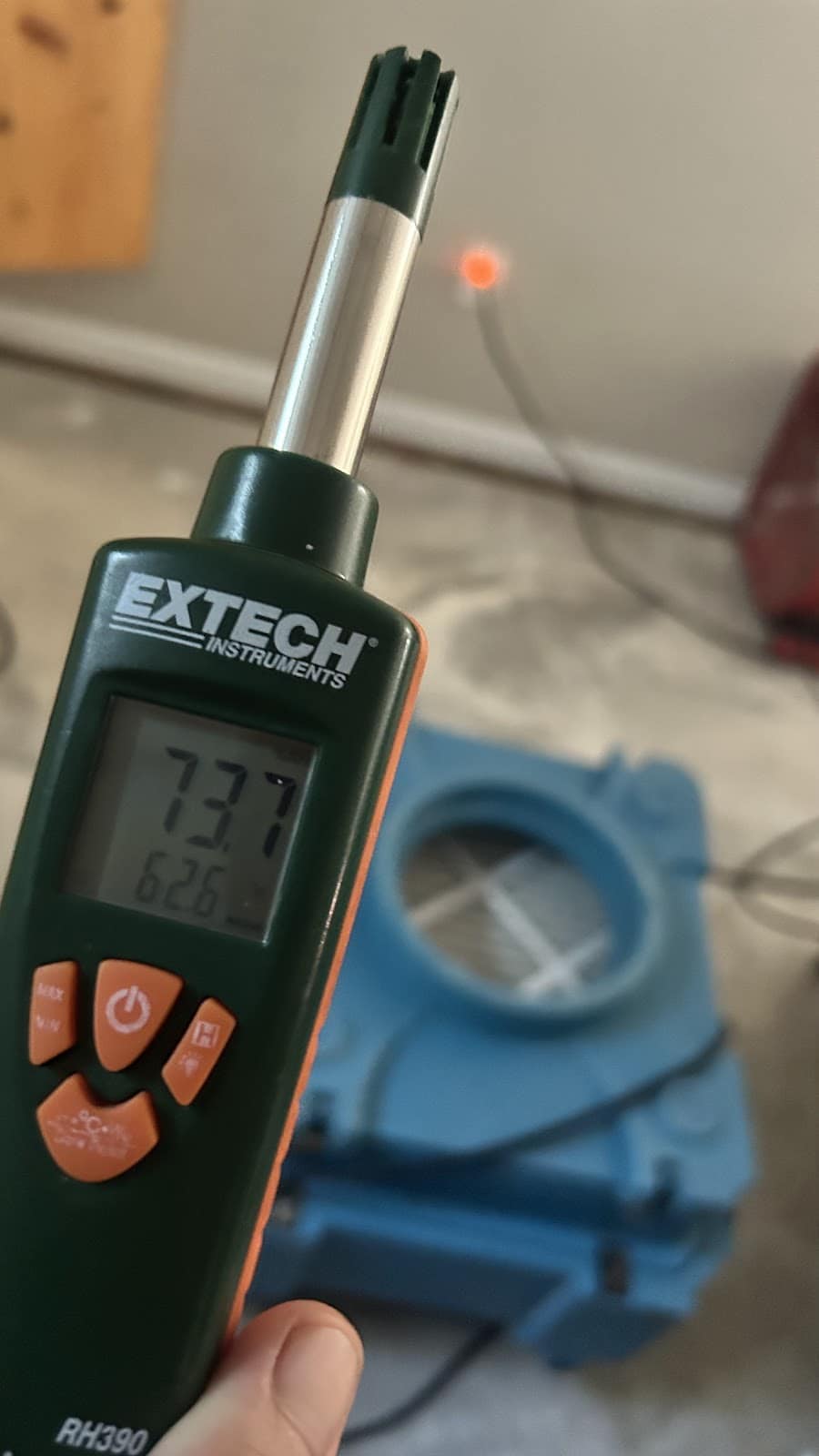
Restoration terms, explained
Restoration teams may give a water loss both ratings. Category is about contamination and exposure. Class is about how much water materials absorbed and how difficult the building may be to dry.
What is in the water?
How much must be dried?
One loss can have both. For example, Category 2 water can still create a Class 3 drying project.
Source · travel path · time · affected materials
Water starts from a sanitary source with no substantial added contamination.
Water contains contamination that may cause illness or discomfort.
Water is grossly contaminated and presents a serious exposure concern.
Wet area · porosity · depth · drying difficulty
A small area is affected and little porous material has absorbed water.
Water has spread farther and into more absorbent material.
Water affects much of a room or several parts of the assembly.
Water is deeply held in dense or low-porosity materials.
Clear answers
Category describes contamination and potential exposure risk. Class describes how much water materials absorbed and how difficult the affected building materials may be to dry. A single loss can receive both ratings.
Yes. Time, temperature, the water’s travel path, and contact with dirty materials can change present conditions. That is why the category should be based on an onsite assessment rather than only the original source.
No. Class 1 describes a limited drying load, not water quality. Contamination is described by category, so a small affected area can still involve water that requires strict exposure controls.
A qualified restoration professional should assess the source, affected materials, moisture spread, exposure concerns, and present site conditions. The guide on this page is educational and cannot replace that inspection.
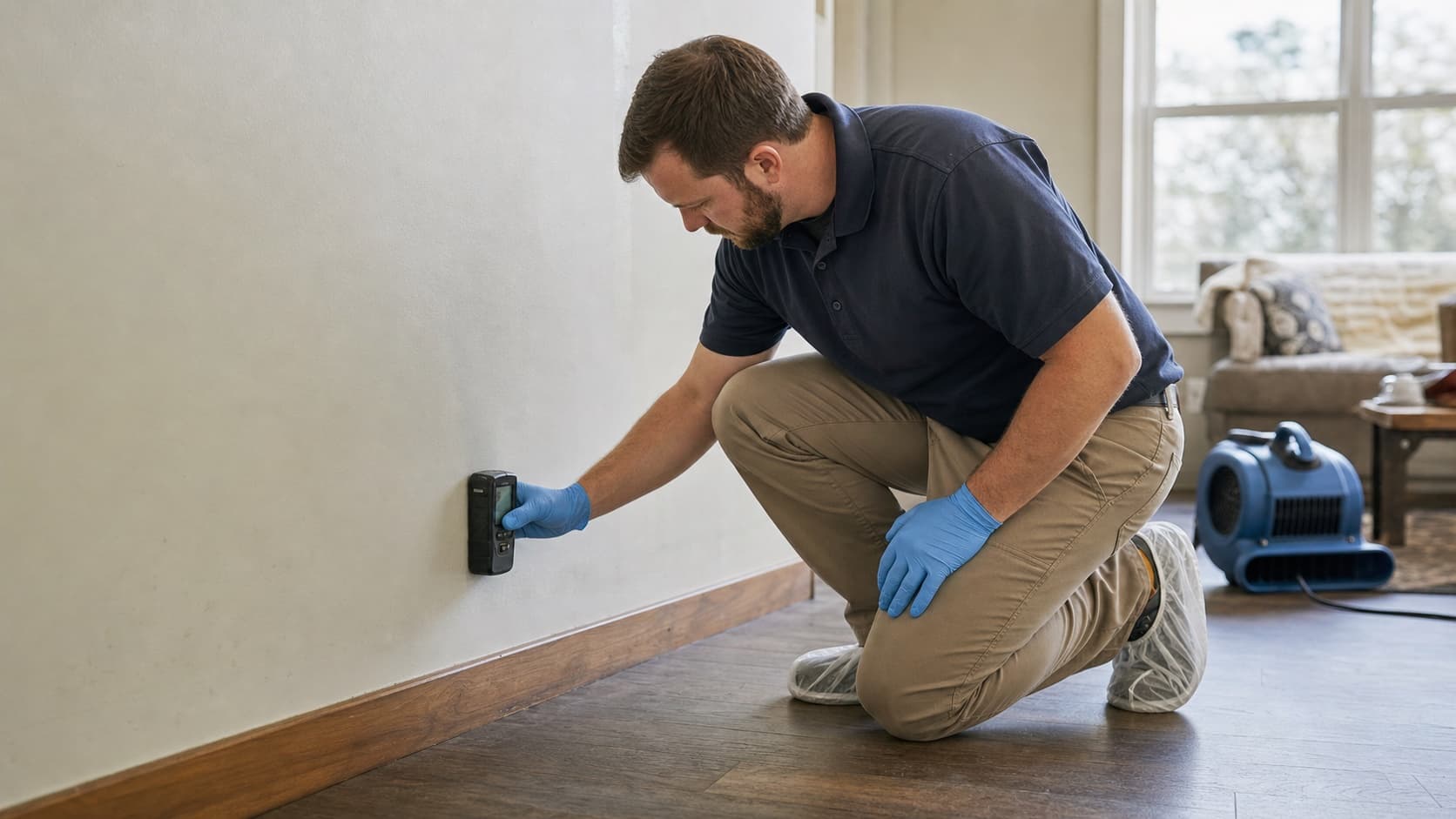
Current response options
Public intake is not active yet. Review current response options without sending personal information; do not rely on a category or class guess from photos alone.
No personal information is collected until operator and provider routing are verified.