What is in the water?
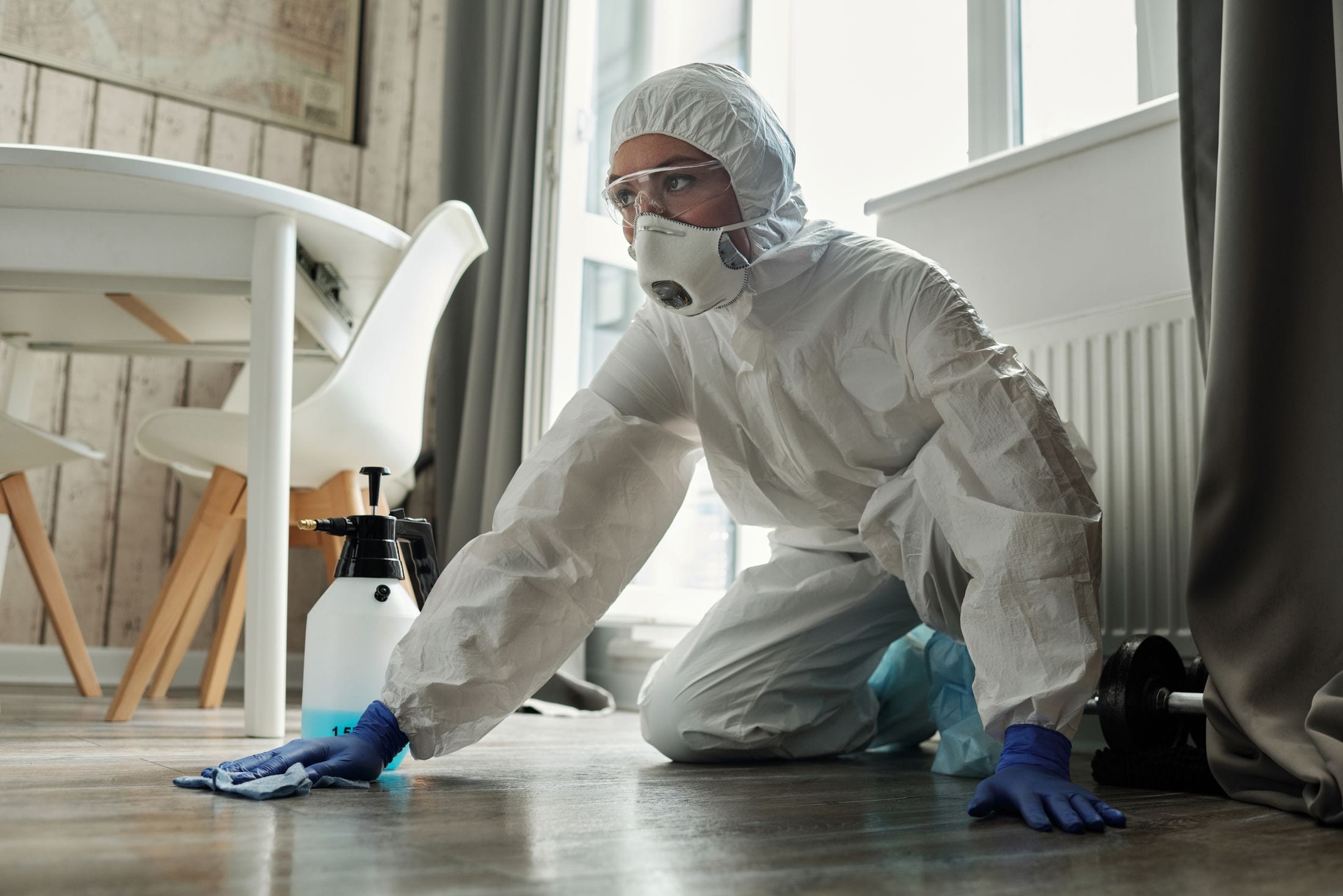
Contamination and potential exposure risk
Emergency water damage help · Tacoma & Pierce County
Water extraction Structural drying Cleanup
Clear guidance for standing water, burst pipes, sewage backups, storm losses, and hidden moisture in Tacoma properties.
Independent information site · No dispatch is confirmed here · Verify any provider before hiring.
Choose what happened
Start with the source or property type. Each page explains safety, cleanup, drying, and the questions to ask onsite.
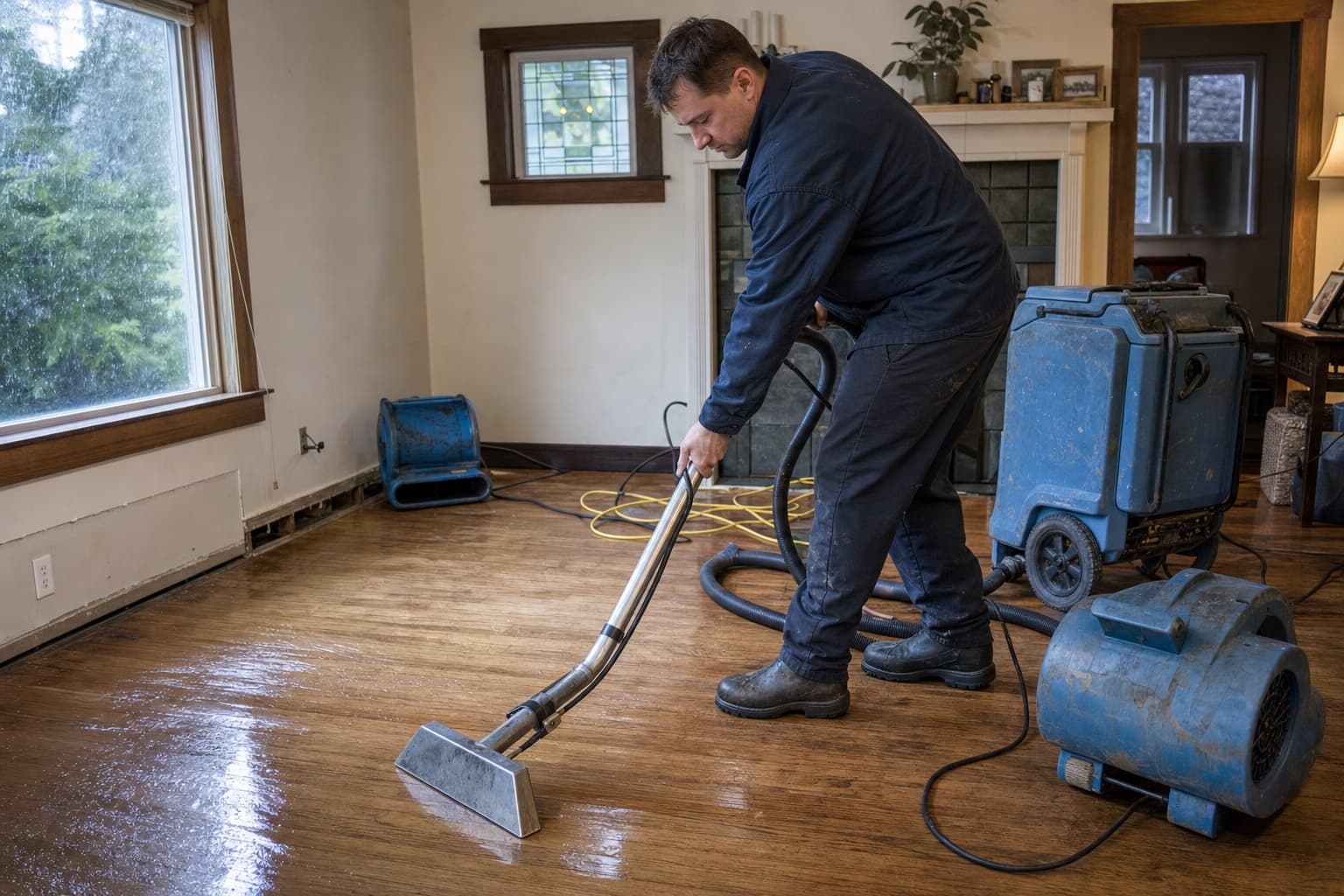
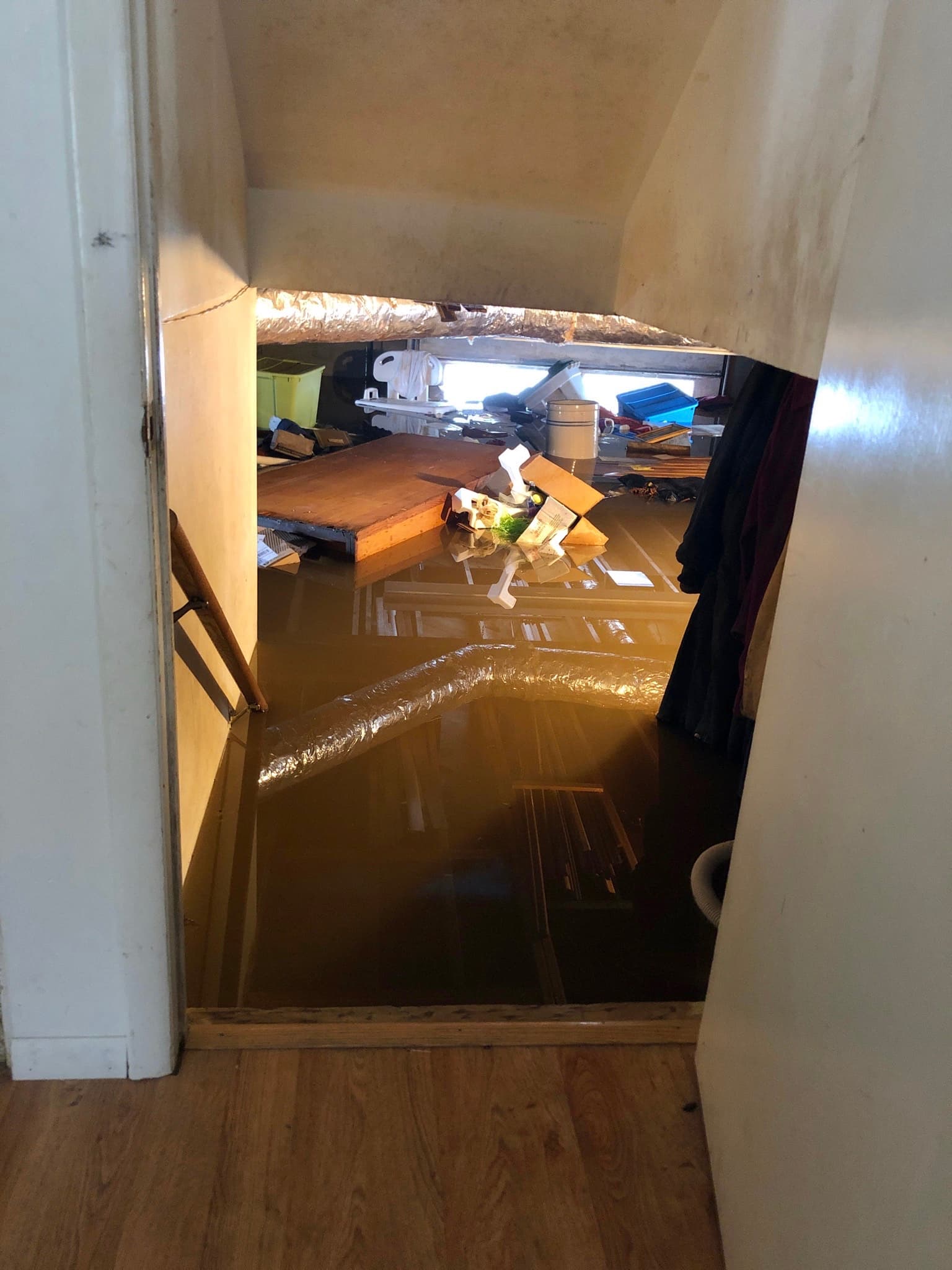
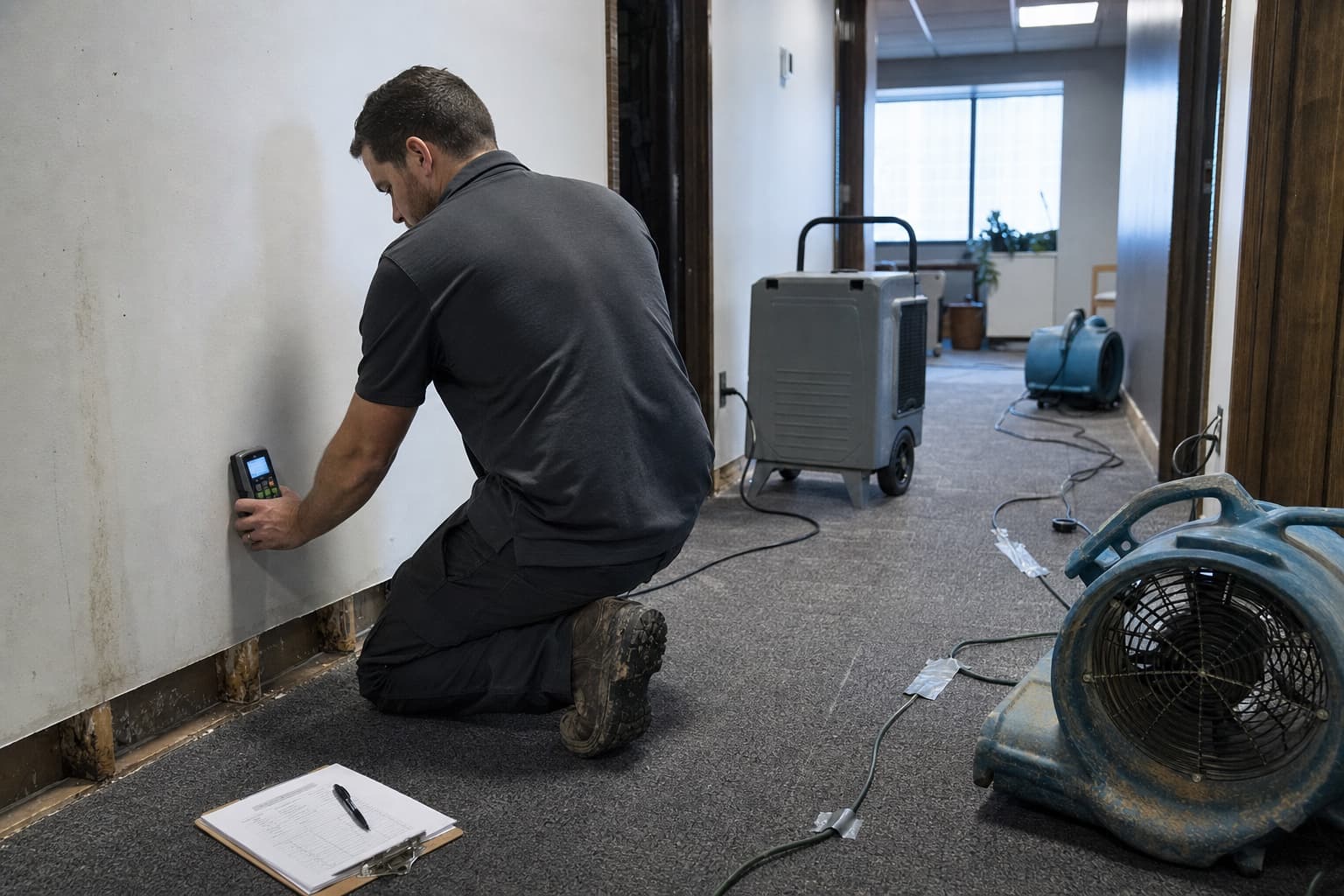
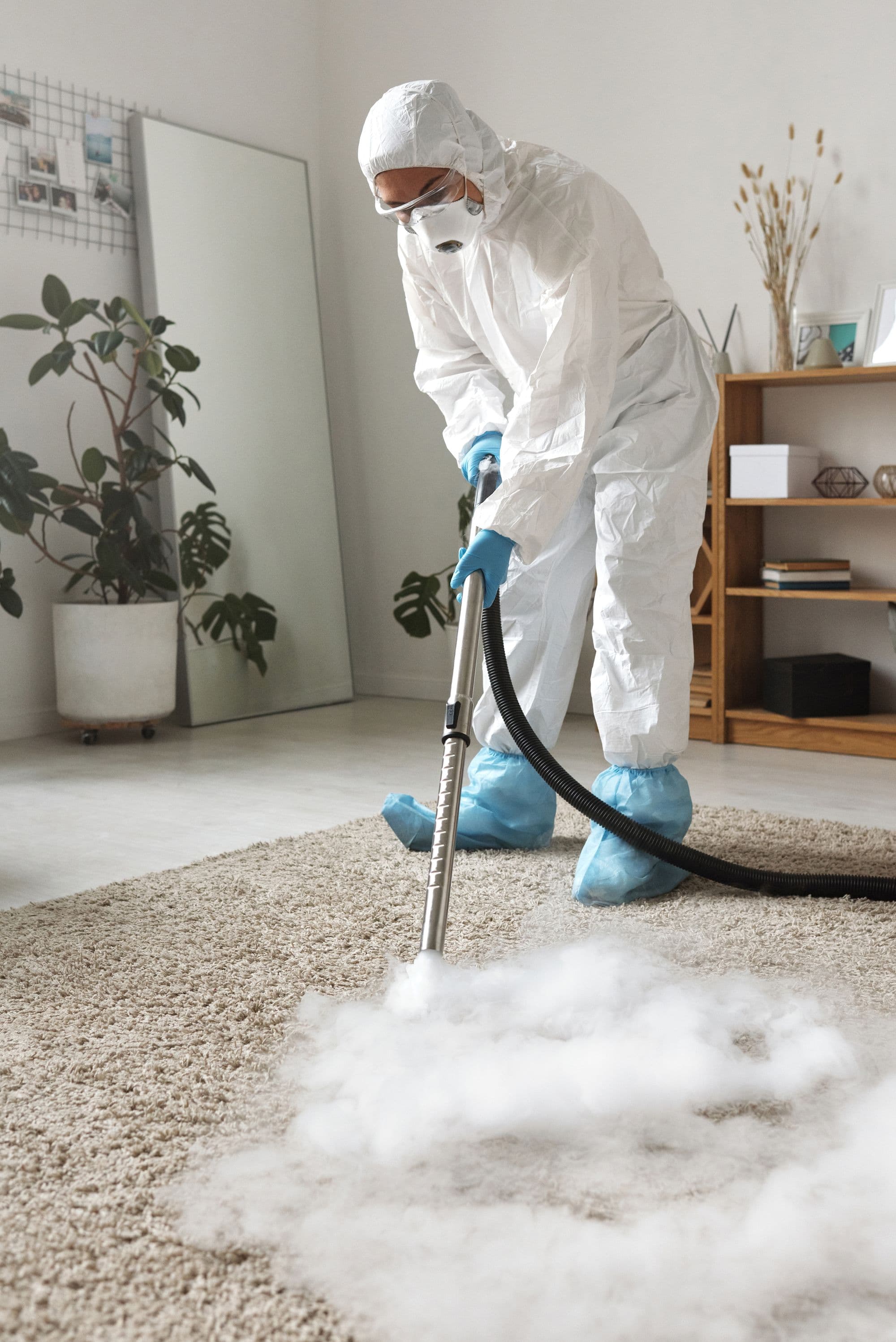
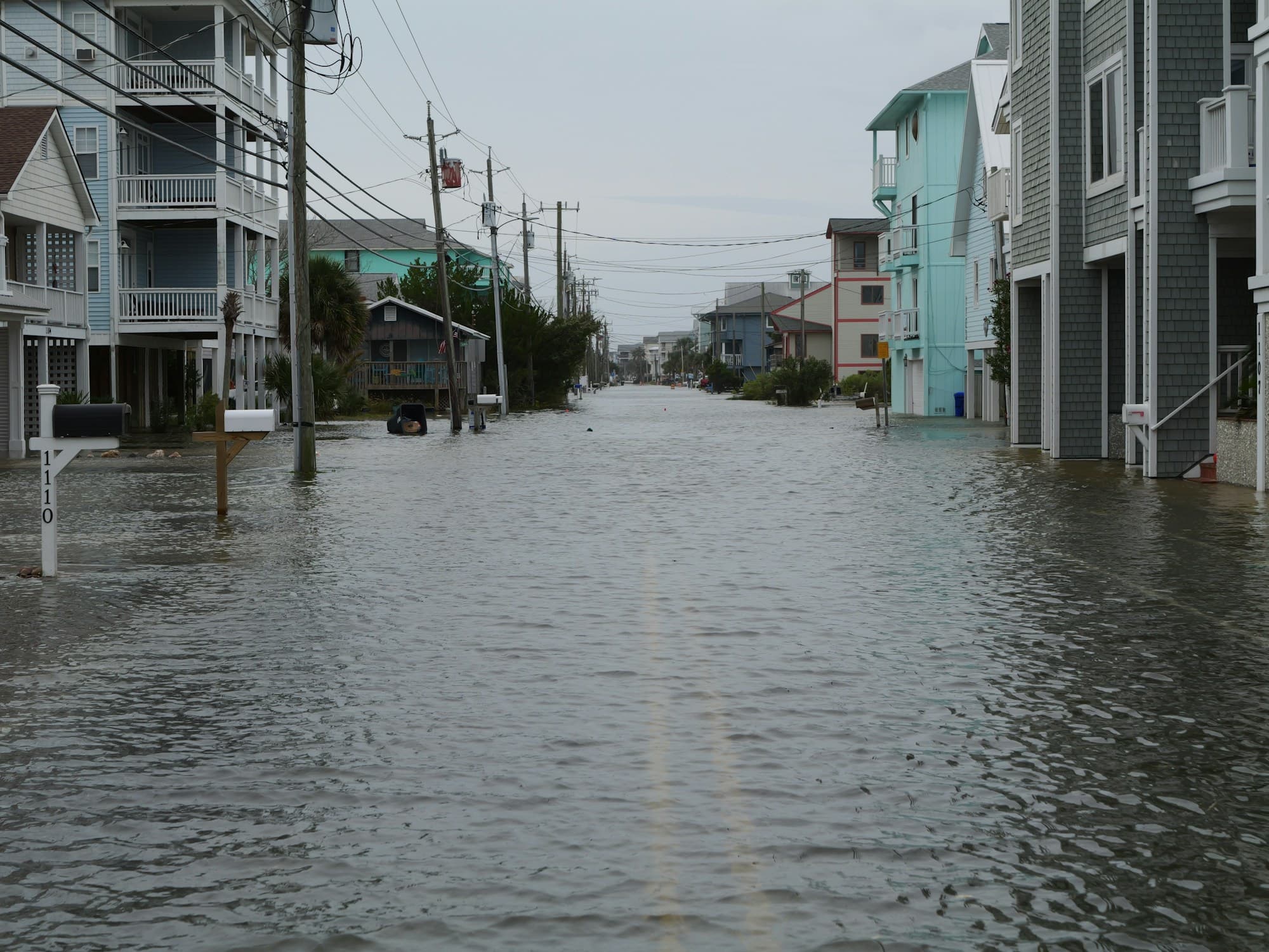
From wet to restored
Find the source, hazards, wet materials, and hidden moisture.
Remove standing water and address materials that cannot stay.
Use controlled airflow, dehumidification, and repeat moisture readings.
Clean and repair after materials reach the project’s drying goals.
Restoration terms, simplified
Category describes contamination and exposure. Class describes how much water materials absorbed and how difficult they may be to dry.
Compare all categories and classesContamination and potential exposure risk
Absorption and drying difficulty
Straight answers
Open the guide that matches the decision in front of you.
See what changes a Tacoma estimate and what the written scope should separate.
Organize photos, timelines, estimates, drying records, and insurer questions.
Understand contamination categories and drying classes without confusing the two.
Local coverage
Tacoma is the primary market. Coverage and timing are confirmed for the exact Pierce County or nearby South King County address.
View all service-area detailsClear answers
Keep people away from standing water and check for electrical, gas, sewage, or ceiling hazards. Stop a plumbing source only from a dry, safe location. Photograph visible damage when safe, notify your insurer, and arrange an onsite assessment if water reached absorbent materials.
A Tacoma estimate depends on the source, affected materials, contamination, access, equipment time, and repairs. Ask whether the written price covers mitigation only or also reconstruction, and how minimums, equipment, after-hours work, and change orders are calculated.
Materials, water volume, contamination, access, and humidity all matter. The EPA’s 24-to-48-hour advice is a prompt-action goal, not a promised drying time. Moisture readings should determine when the project reaches its drying goals.
Coverage depends on the policy and cause. Sudden leaks, gradual seepage, maintenance problems, and outside flooding are treated differently. Report the loss promptly, follow the insurer’s documentation instructions, and request its coverage decision in writing.
Water damage happening now?
Leave immediately for electrical, sewage, gas, fire, or structural danger.